
If left untreated, an ingrown toenail can lead to more serious concerns, such as an infection. Knowing proper nail care can help in the prevention of an ingrown toenail. Give us a call, and get treated!
If left untreated, an ingrown toenail can lead to more serious concerns, such as an infection. Knowing proper nail care can help in the prevention of an ingrown toenail. Give us a call, and get treated!
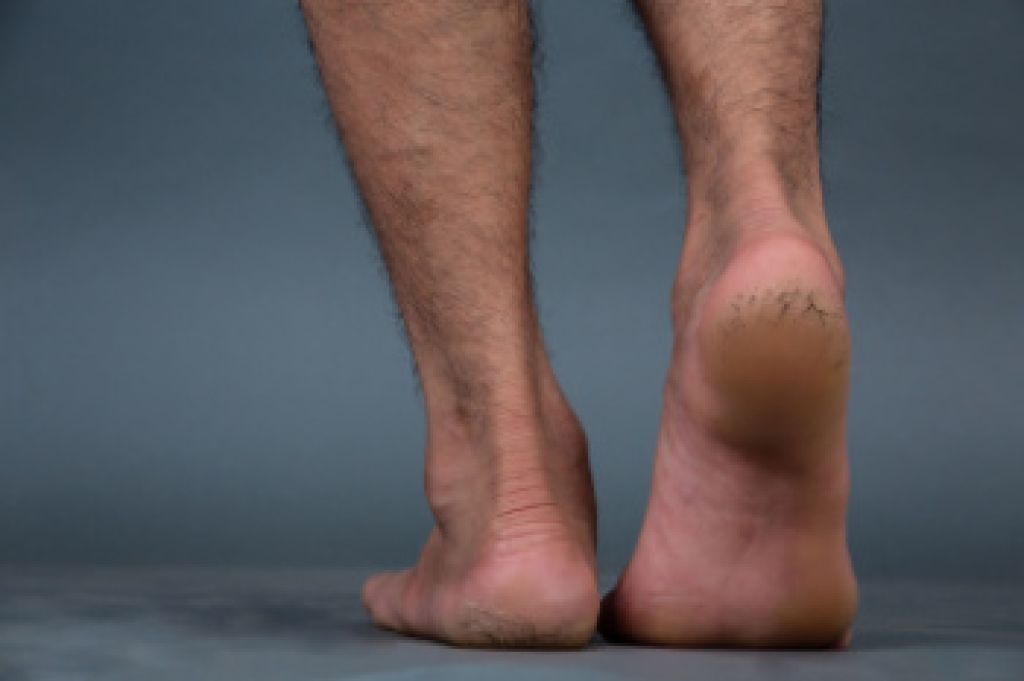
Cracked heels, also known as heel fissures, occur when the skin on the heel becomes dry, thick, and splits under pressure. The heel supports body weight during standing and walking, which makes it more prone to stress and skin breakdown. When the skin loses moisture and elasticity, it can no longer stretch properly, leading to visible cracks. While mild cases may only affect the surface, more severe fissures can deepen and cause discomfort or complications if not treated.
Symptoms of cracked heels include dry, rough skin around the heel, visible splitting, and a hardened or callused surface. In more advanced cases, the cracks may become painful, especially when walking or standing for long periods. Deep fissures can bleed and may expose underlying tissue, increasing sensitivity. If the condition worsens, the open cracks can allow bacteria to enter, raising the risk of infection. Redness, swelling, or drainage may indicate that medical attention is needed.
The primary causes of cracked heels include dry skin, which can result from environmental factors or lack of proper hydration. Walking barefoot can increase pressure on the heel and contribute to skin thickening and splitting. Wearing shoes that do not provide proper support or cushioning can also place added stress on the heel. Standing for extended periods of time and exposure to harsh conditions can further reduce skin flexibility and lead to fissure formation.
Risk factors for cracked heels include aging, obesity, and medical conditions such as diabetes or thyroid disorders that affect skin health. Poor foot hygiene and lack of regular moisturizing can also increase the likelihood of developing heel fissures. Maintaining proper foot care, including hydration and wearing supportive footwear, can help prevent this condition. Early care is important to avoid complications and improve comfort. If you have cracked heels, it is suggested that you consult a podiatrist for effective relief and treatment solutions, which may include prescribed medication.
If the skin on your feet starts to crack, you may want to see a podiatrist to find treatment. If you have any concerns, contact one of our podiatrists from Central Ohio Comprehensive Foot Care. Our doctors can provide the care you need to keep you pain-free and on your feet.
Cracked Heels
It is important to moisturize your cracked heels in order to prevent pain, bleeding, and infection. The reason cracked heels form is because the skin on the foot is too dry to support the immense pressure placed on them. When the foot expands, the dry skin on the foot begins to split.
Ways to Help Heal Them
Ways to Prevent Cracked Heels
If you are unsure how to proceed in treating cracked heels, seek guidance from a podiatrist. Your doctor will help you with any questions or information you may need.
If you have any questions, please feel free to contact one of our offices located in Delaware and Westerville, OH . We offer the newest diagnostic and treatment technologies for all your foot care needs.

Arthritis in the feet can be painful, and running with this condition requires thoughtful adjustments to protect the joints while maintaining activity. Arthritis in the feet develops when cartilage wears down, leading to inflammation and discomfort. Although running is a repetitive activity, controlled movement can encourage joint lubrication by compressing and releasing cartilage in affected areas. This can help maintain flexibility when paired with proper technique and supportive footwear.
Symptoms of foot arthritis often include aching pain, stiffness, swelling, and limited movement in the joints. These symptoms may become more noticeable after prolonged activity or during changes in weather. Risk factors include aging, prior injuries, joint misalignment, and repeated impact on hard surfaces. Without proper management, these factors can increase discomfort and reduce mobility over time. Understanding these risks allows individuals to take steps toward safer exercise habits.
Adjusting running habits is essential for reducing stress on the feet. Choosing shoes that provide cushioning and stability can improve shock-absorption and alignment. Running on softer surfaces helps minimize joint impact and protect inflamed areas. Shortening stride length can reduce the force placed on the foot with each step, making movement more efficient. Incorporating rest days and stretching can further support recovery and reduce stiffness. These strategies allow individuals to remain active without worsening symptoms.
The benefits of modifying running techniques include improved comfort, better joint function, and reduced risk of further damage. Staying active supports overall health and helps maintain strength and flexibility. Careful attention to technique can make a significant difference in managing symptoms. If you enjoy running, and arthritis is causing discomfort, it is suggested that you consult a podiatrist for effective relief, management, and guidance tips.
Arthritis can be a difficult condition to live with. If you are seeking treatment, contact one of our podiatrists from Central Ohio Comprehensive Foot Care. Our doctors can provide the care you need to keep you pain-free and on your feet.
Arthritic Foot Care
Arthritis is a term that is commonly used to describe joint pain. The condition itself can occur to anyone of any age, race, or gender, and there are over 100 types of it. Nevertheless, arthritis is more commonly found in women compared to men, and it is also more prevalent in those who are overweight. The causes of arthritis vary depending on which type of arthritis you have. Osteoarthritis for example, is often caused by injury, while rheumatoid arthritis is caused by a misdirected immune system.
Symptoms
Arthritic symptoms range in severity, and they may come and go. Some symptoms stay the same for several years but could potentially get worse with time. Severe cases of arthritis can prevent its sufferers from performing daily activities and make walking difficult.
Risk Factors
If you suspect your arthritis is affecting your feet, it is crucial that you see a podiatrist immediately. Your doctor will be able to address your specific case and help you decide which treatment method is best for you.
If you have any questions please feel free to contact one of our offices located in Delaware and Westerville, OH . We offer the newest diagnostic tools and technology to treat your foot and ankle needs.

Foot pain from lupus is a common concern for individuals living with this chronic autoimmune condition. Lupus occurs when the immune system mistakenly attacks healthy tissues, including joints, blood vessels, and nerves in the feet. This can lead to inflammation, reduced circulation, and tissue damage. Many patients experience persistent discomfort that affects mobility and quality of life. Understanding how lupus impacts the feet is essential for early intervention and long term care. Foot pain related to lupus may also overlap with other conditions such as peripheral neuropathy or Raynaud related circulation changes.
Symptoms of foot pain from lupus often include swelling, numbness, and cold feet. Some individuals notice color changes in the toes, especially in response to cold temperatures or stress. Joint stiffness, burning sensations, and tenderness in the soles are also reported. These symptoms may come and go or worsen during lupus flares. Cold sensitivity is especially important, as reduced blood flow can increase discomfort and raise the risk of tissue injury. Paying attention to early warning signs can help prevent complications.
Several risk factors contribute to lupus-related foot pain. These include long standing autoimmune activity, poor circulation, and improper footwear. Cold environments and prolonged standing can worsen symptoms. Causes are primarily linked to inflammation of joints and blood vessels, as well as nerve irritation. Damage to small blood vessels can reduce oxygen supply to tissues, leading to cold feet and delayed healing. This makes proper foot care a critical part of managing lupus.
If you have lupus, caring for your feet involves simple, but consistent habits. Keeping feet clean and dry helps prevent infection. Wearing properly fitted, supportive shoes reduces pressure and improves alignment. Protecting feet from extreme temperatures is essential, especially in cold weather. Regular foot checks can help identify changes early. If foot pain from lupus is present, it is suggested that you consult a podiatrist for effective relief and management solutions.
Foot Pain
Foot pain can be extremely painful and debilitating. If you have a foot pain, consult with one of our podiatrists from Central Ohio Comprehensive Foot Care. Our doctors will assess your condition and provide you with quality foot and ankle treatment.
Causes
Foot pain is a very broad condition that could be caused by one or more ailments. The most common include:
Diagnosis
To figure out the cause of foot pain, podiatrists utilize several different methods. This can range from simple visual inspections and sensation tests to X-rays and MRI scans. Prior medical history, family medical history, and any recent physical traumatic events will all be taken into consideration for a proper diagnosis.
Treatment
Treatment depends upon the cause of the foot pain. Whether it is resting, staying off the foot, or having surgery; podiatrists have a number of treatment options available for foot pain.
If you have any questions, please feel free to contact one of our offices located in Delaware and Westerville, OH . We offer the newest diagnostic and treatment technologies for all your foot care needs.

A broken ankle is an injury that occurs when one or more bones in the ankle are cracked or fractured. The ankle is made up of several bones, ligaments, and tissues that work together to support movement and balance. A fracture can happen from a fall, sports injury, accident, or sudden twisting motion. Ankle fractures can affect a person’s ability to stand, walk, and complete daily activities comfortably. Symptoms include pain, swelling, bruising, tenderness, and difficulty putting weight on the affected foot. Some patients may notice changes in the appearance of the ankle or a feeling of instability. A podiatrist can evaluate the injury and determine the severity of the fracture.
A podiatrist performs a detailed examination to understand the extent of an ankle fracture and how it affects foot and ankle function. The evaluation includes reviewing the injury, checking movement, and assessing the condition of the surrounding tissues. Imaging tests may be used to view the bones and identify the location of the fracture. A podiatrist develops a treatment plan based on the type of fracture, the patient’s health, and activity needs. Treatment includes methods to support proper healing, protect the injured area, and restore ankle function.
Research shows that ankle fractures can affect mobility and long-term joint function, making proper diagnosis and treatment important. A podiatrist helps patients understand their injury and creates a plan focused on restoring strength, stability, and movement. Care may involve monitoring healing progress and addressing changes in foot mechanics after the injury. A podiatrist also evaluates how the ankle is functioning because changes in movement can affect other areas of the foot and lower body. Treatment plans are personalized according to each patient’s condition and recovery goals. If you have symptoms of a broken ankle, it is suggested that you make an appointment with a chiropractor for diagnosis and treatment.
Broken ankles need immediate treatment. If you are seeking treatment, contact one of our podiatrists from Central Ohio Comprehensive Foot Care. Our doctors can provide the care you need to keep you pain-free and on your feet.
Broken Ankles
A broken ankle is experienced when a person fractures their tibia or fibula in the lower leg and ankle area. Both of these bones are attached at the bottom of the leg and combine to form what we know to be our ankle.
When a physician is referring to a break of the ankle, he or she is usually referring to a break in the area where the tibia and fibula are joined to create our ankle joint. Ankles are more prone to fractures because the ankle is an area that suffers a lot of pressure and stress. There are some obvious signs when a person experiences a fractured ankle, and the following symptoms may be present.
Symptoms of a Fractured Ankle
If you suspect an ankle fracture, it is recommended to seek treatment as soon as possible. The sooner you have your podiatrist diagnose the fracture, the quicker you’ll be on the way towards recovery.
If you have any questions, please feel free to contact one of our offices located in Delaware and Westerville, OH . We offer the newest diagnostic and treatment technologies for all your foot care needs.