
Suffering from this type of pain? You may have the foot condition known as Morton's neuroma. Morton's neuroma may develop as a result of ill-fitting footwear and existing foot deformities. We can help.
Suffering from this type of pain? You may have the foot condition known as Morton's neuroma. Morton's neuroma may develop as a result of ill-fitting footwear and existing foot deformities. We can help.
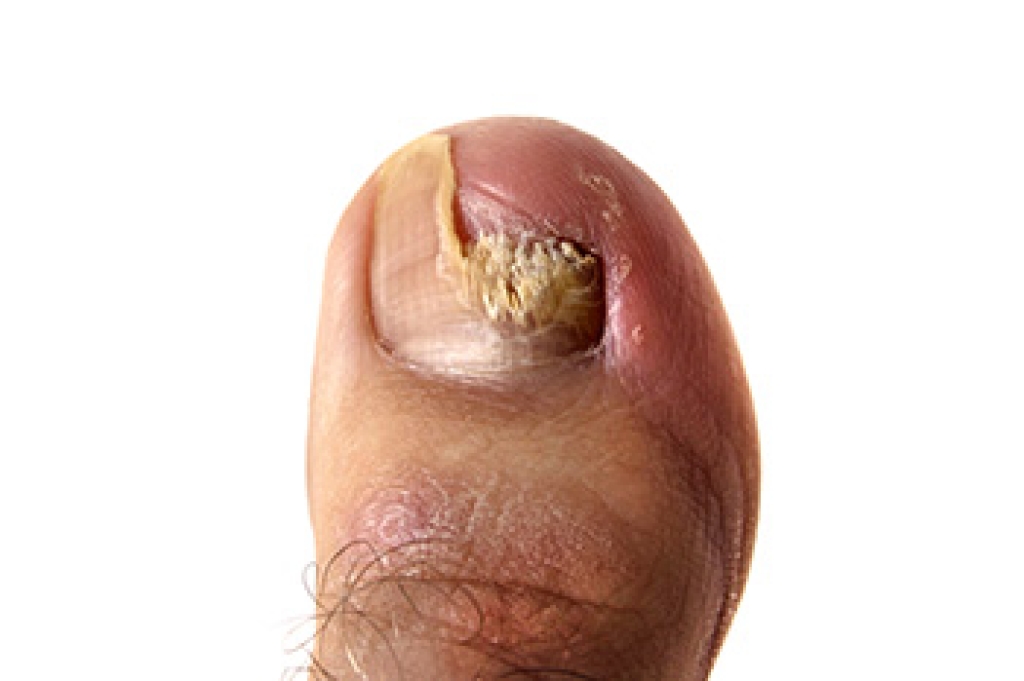
Toenail fungus is a common infection that affects the nail and the skin beneath it. It usually develops slowly, allowing the fungus to spread if left untreated. The infection often begins at the edge of the nail before moving deeper into the nail plate. As it progresses, the toenail may become thicker and more brittle or change color. Although any toenail can be affected, the big toenail is involved most often. Toenail fungus is more common in older adults and people with certain medical conditions, but it can develop in anyone. Because other nail disorders may appear similar, a professional evaluation is important to confirm the diagnosis and recommend the most appropriate treatment. Early podiatry care may also help prevent the infection from becoming more difficult to manage.
Symptoms of toenail fungus vary depending on the severity of the infection. Many people notice a nail that becomes yellow, white, or brown. Others experience thickened nails or nails that become rough and difficult to trim. In more advanced cases, the nail may become misshapen or separate from the nail bed, causing discomfort while walking or wearing shoes. The infection may spread to additional toenails if it is not properly treated. Persistent nail changes should not be ignored because they may affect comfort, mobility, and overall foot health. Prompt evaluation can determine whether a fungal infection or another nail condition is responsible for the symptoms.
A podiatrist specializes in diagnosing and treating toenail fungus and other nail conditions. During an examination, the podiatrist evaluates the affected nail and may recommend testing to confirm the cause of the infection. Treatment focuses on eliminating the infection, improving nail health, and reducing the risk of future problems. Ongoing podiatry care also helps monitor nail growth and identify changes that may require additional attention. If you are experiencing thick, discolored, or brittle toenails, it is suggested that you consult a podiatrist for an evaluation and appropriate treatment options.
If left untreated, toenail fungus may spread to other toenails, skin, or even fingernails. If you suspect you have toenail fungus it is important to seek treatment right away. For more information about treatment, contact one of our podiatrists of Central Ohio Comprehensive Foot Care. Our doctors can provide the care you need to keep you pain-free and on your feet.
Symptoms
Treatment
If self-care strategies and over-the-counter medications does not help your fungus, your podiatrist may give you a prescription drug instead. Even if you find relief from your toenail fungus symptoms, you may experience a repeat infection in the future.
Prevention
In order to prevent getting toenail fungus in the future, you should always make sure to wash your feet with soap and water. After washing, it is important to dry your feet thoroughly especially in between the toes. When trimming your toenails, be sure to trim straight across instead of in a rounded shape. It is crucial not to cover up discolored nails with nail polish because that will prevent your nail from being able to “breathe”.
In some cases, surgical procedure may be needed to remove the toenail fungus. Consult with your podiatrist about the best treatment options for your case of toenail fungus.
If you have any questions please contact one of our offices located in Delaware and Westerville, OH . We offer the newest diagnostic and treatment technologies for all your foot and ankle needs.

Plantar warts are caused by the human papillomavirus, or HPV, which enters the skin through tiny cuts or abrasions. These warts develop on the bottom of the foot, often in weight-bearing areas, such as the heel or ball of the foot. Unlike warts on other parts of the body, plantar warts grow inward due to pressure from walking and standing. This inward growth can make them painful and difficult to ignore. Understanding the cause and early signs of plantar warts is essential for preventing spread and seeking timely treatment.
Symptoms of plantar warts vary depending on their size and location. Many people notice a rough, grainy lesion on the sole of the foot. Some contain small black dots that are clotted blood vessels. Pain may feel like stepping on a small stone, especially while walking or applying pressure. The skin surrounding the wart can become thickened or callus-like. Some warts remain small and isolated, while others may multiply and spread across the foot, if left untreated.
There are two primary types of plantar warts: solitary and mosaic. A solitary wart appears as a single, well-defined lesion that may grow deeper into the skin over time. It often becomes more painful as it enlarges. Mosaic warts, on the other hand, develop as clusters of smaller warts grouped together in a patch. These are usually more superficial but can cover a larger area, making them more difficult to treat. Both types are caused by the same virus but differ in appearance and growth pattern, which can influence treatment decisions.
Risk factors for plantar warts include walking barefoot in public swimming pool areas, locker rooms, and communal showers. This is because the virus thrives in warm, moist environments. Individuals with a weakened immune system are more susceptible to infection and may experience more persistent or widespread warts. Minor skin injuries also increase the risk by providing entry points for the virus. Maintaining proper foot hygiene and wearing protective footwear can reduce exposure. If you have symptoms of a plantar wart, it is strongly suggested that you consult a podiatrist for effective relief and treatment solutions.
Plantar warts can be very uncomfortable. If you need your feet checked, contact one of our podiatrists from Central Ohio Comprehensive Foot Care. Our doctors will assist you with all of your foot and ankle needs.
About Plantar Warts
Plantar warts are the result of HPV, or human papillomavirus, getting into open wounds on the feet. They are mostly found on the heels or balls of the feet.
While plantar warts are generally harmless, those experiencing excessive pain or those suffering from diabetes or a compromised immune system require immediate medical care. Plantar warts are easily diagnosed, usually through scraping off a bit of rough skin or by getting a biopsy.
Symptoms
Treatment
To help prevent developing plantar warts, avoid walking barefoot over abrasive surfaces that can cause cuts or wounds for HPV to get into. Avoiding direct contact with other warts, as well as not picking or rubbing existing warts, can help prevent the further spread of plantar warts. However, if you think you have developed plantar warts, speak to your podiatrist. He or she can diagnose the warts on your feet and recommend the appropriate treatment options.
If you have any questions, please feel free to contact one of our offices located in Delaware and Westerville, OH . We offer the newest diagnostic and treatment technologies for all your foot care needs.
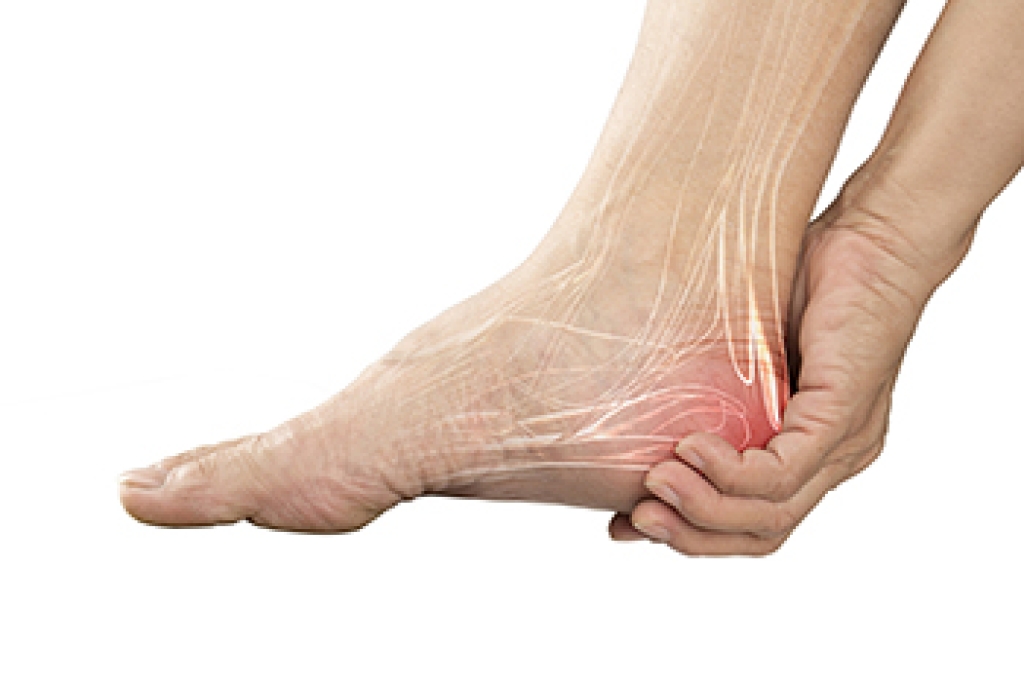
Heel pain is not always caused by overuse or injury. In some cases, it may be a sign of ankylosing spondylitis, a chronic inflammatory disease classified as a type of arthritis. This condition leads to enthesitis, which is inflammation at the points where tendons and ligaments attach to bone. In the foot, the most commonly affected areas include the Achilles tendon and the plantar fascia, both of which play a major role in movement and support.
Symptoms of inflammatory heel pain often differ from typical strain-related discomfort. Patients may notice persistent pain that is worse after rest and improves slightly with activity. The back of the heel may feel sore due to Achilles tendon involvement, while the underside of the heel may be tender from plantar fascia inflammation. Swelling and stiffness can make walking uncomfortable, especially during the early part of the day or after long periods of inactivity.
The causes of this condition are linked to immune system activity rather than physical stress alone. Ankylosing spondylitis triggers inflammation at tendon and ligament attachment sites, leading to pain and irritation. While the exact cause is not fully understood, genetic factors and immune responses play a significant role. Because the heel absorbs repeated pressure throughout the day, it is often one of the first areas where symptoms appear.
Risk factors include a family history of inflammatory arthritis, early adulthood onset, and ongoing joint stiffness. Identifying symptoms early allows for better management and improved outcomes. Supportive care and medical evaluation are key components of treatment. If you have heel pain or symptoms of ankylosing spondylitis, it is suggested that you consult a podiatrist for an accurate diagnosis and effective relief and treatment solutions.
Many people suffer from bouts of heel pain. For more information, contact one of our podiatrists of Central Ohio Comprehensive Foot Care. Our doctors can provide the care you need to keep you pain-free and on your feet.
Causes of Heel Pain
Heel pain is often associated with plantar fasciitis. The plantar fascia is a band of tissues that extends along the bottom of the foot. A rip or tear in this ligament can cause inflammation of the tissue.
Achilles tendonitis is another cause of heel pain. Inflammation of the Achilles tendon will cause pain from fractures and muscle tearing. Lack of flexibility is also another symptom.
Heel spurs are another cause of pain. When the tissues of the plantar fascia undergo a great deal of stress, it can lead to ligament separation from the heel bone, causing heel spurs.
Why Might Heel Pain Occur?
Treatments
Heel pain should be treated as soon as possible for immediate results. Keeping your feet in a stress-free environment will help. If you suffer from Achilles tendonitis or plantar fasciitis, applying ice will reduce the swelling. Stretching before an exercise like running will help the muscles. Using all these tips will help make heel pain a condition of the past.
If you have any questions, please feel free to contact one of our offices located in Delaware and Westerville, OH . We offer the newest diagnostic and treatment technologies for all your foot care needs.

Athlete's foot is a fungal infection that affects the skin of the feet, usually between the toes. It commonly develops on the skin between the toes, on the bottoms of the feet, and around the toe pads. Athlete's foot is highly contagious. It can spread through contact with contaminated surfaces, footwear, or shared facilities, like pools, shower areas, and gym locker rooms. Early signs include itching, redness, and burning sensations. Some people notice dry skin or mild discomfort when walking. Others develop skin irritation that becomes more noticeable as the infection progresses. In some cases, the infection affects one foot. It can also spread to both feet and become more difficult to manage.
Athlete's foot can appear in several forms. One common type causes cracked skin, peeling, and soreness between the toes. Another form creates a dry, scaly rash along the bottom and sides of the foot. This pattern is sometimes called moccasin-type athlete's foot because it follows the shape of a moccasin shoe. More severe infections include blisters, painful sores, and areas of inflamed skin. Some people experience persistent itching without obvious skin changes. Others develop thickened, flaky skin that resembles severe dryness. When bacteria enter damaged skin, additional symptoms include swelling, drainage, and increased pain. These signs require prompt medical attention from a podiatrist.
A podiatrist can diagnose athlete's foot by examining the affected skin and evaluating symptoms. In some cases, a small skin sample is collected and examined to confirm the presence of fungus. Professional treatment focuses on eliminating the infection and preventing complications. Untreated athlete's foot can continue to spread and lead to ongoing skin damage. It can also affect the toenails, causing discoloration and thickening. If you have symptoms of an athlete's foot infection, it is suggested that you schedule an appointment with a podiatrist for a diagnosis and effective relief and treatment plan.
Athlete’s Foot
Athlete’s foot is often an uncomfortable condition to experience. Thankfully, podiatrists specialize in treating athlete’s foot and offer the best treatment options. If you have any questions about athlete’s foot, consult with one of our podiatrists from Central Ohio Comprehensive Foot Care. Our doctors will assess your condition and provide you with quality treatment.
What Is Athlete’s Foot?
Tinea pedis, more commonly known as athlete’s foot, is a non-serious and common fungal infection of the foot. Athlete’s foot is contagious and can be contracted by touching someone who has it or infected surfaces. The most common places contaminated by it are public showers, locker rooms, and swimming pools. Once contracted, it grows on feet that are left inside moist, dark, and warm shoes and socks.
Prevention
The most effective ways to prevent athlete’s foot include:
Symptoms
Athlete’s foot initially occurs as a rash between the toes. However, if left undiagnosed, it can spread to the sides and bottom of the feet, toenails, and if touched by hand, the hands themselves. Symptoms include:
Diagnosis and Treatment
Diagnosis is quick and easy. Skin samples will be taken and either viewed under a microscope or sent to a lab for testing. Sometimes, a podiatrist can diagnose it based on simply looking at it. Once confirmed, treatment options include oral and topical antifungal medications.
If you have any questions, please feel free to contact one of our offices located in Delaware and Westerville, OH . We offer the newest diagnostic and treatment technologies for all your foot care needs.