review us on google
x ico
like us on facebook
review us on google
x ico
like us on facebook

Blog

Facts About Foot Arch Pain

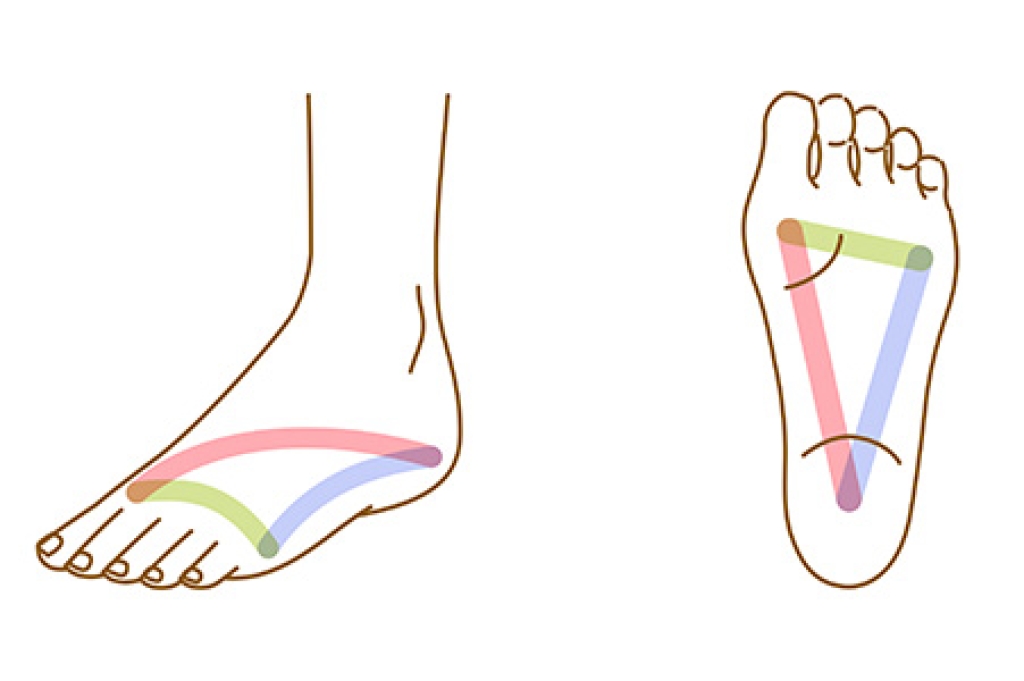
Foot arch pain can affect people of all ages and activity levels. The arch runs from the ball of the foot to the heel and acts as a natural shock absorber when walking, running, or standing. Pain in this area may feel dull, throbbing, burning, or sharp. It can develop from overuse, injuries, weakened tendons, stress fractures, or structural differences, such as very high or very flat arches. One frequent cause is inflammation of the plantar fascia, a thick band of tissue that supports the arch and helps maintain balance. Symptoms may include stiffness in the morning, swelling, or discomfort that worsens after long periods on the feet. A podiatrist can identify the source of arch pain through a physical exam, gait evaluation, and imaging tests. Treatment options include custom orthotics, bracing, or more advanced medical care to restore function and relieve discomfort. If you are experiencing pain in the arch of your foot, it is suggested that you make an appointment with a podiatrist for an exam, diagnosis, and treatment.

Foot Pain

Foot pain can be extremely painful and debilitating. If you have a foot pain, consult with one of our podiatrists from Central Ohio Comprehensive Foot Care. Our doctors will assess your condition and provide you with quality foot and ankle treatment.

Causes

Foot pain is a very broad condition that could be caused by one or more ailments. The most common include:

  • Bunions
  • Hammertoes
  • Plantar Fasciitis
  • Bone Spurs
  • Corns
  • Tarsal Tunnel Syndrome
  • Ingrown Toenails
  • Arthritis (such as Gout, Rheumatoid, and Osteoarthritis)
  • Flat Feet
  • Injury (from stress fractures, broken toe, foot, ankle, Achilles tendon ruptures, and sprains)
  • And more

Diagnosis

To figure out the cause of foot pain, podiatrists utilize several different methods. This can range from simple visual inspections and sensation tests to X-rays and MRI scans. Prior medical history, family medical history, and any recent physical traumatic events will all be taken into consideration for a proper diagnosis.

Treatment

Treatment depends upon the cause of the foot pain. Whether it is resting, staying off the foot, or having surgery; podiatrists have a number of treatment options available for foot pain.

If you have any questions, please feel free to contact one of our offices located in Delaware and Westerville, OH . We offer the newest diagnostic and treatment technologies for all your foot care needs.

Read more about Foot Pain

Orthotics May Help Prevent Cycling-Related Foot Injuries

Cycling is a popular endurance activity that relies on repeated lower extremity movement and stable foot positioning on the pedals. However, musculoskeletal foot injuries may occur when the feet and ankles experience prolonged pressure or improper alignment while riding. Causes often include inadequate physical preparation, improper bike fitting, and poorly supported footwear that places excessive stress on the forefoot and arch. Symptoms include numbness, burning sensations, arch pain, or tendon irritation. Risk factors can include overtraining, wearing tight cycling shoes, poor pedal mechanics, and limited foot support. A podiatrist can evaluate foot mechanics, recommend treatment, and guide injury prevention. Custom orthotics can improve alignment, distribute pressure evenly, and enhance comfort. If cycling-related foot pain develops, it is suggested that you consult a podiatrist who can guide you toward effective relief and treatment solutions. 

Ankle and foot injuries are common among athletes and in many sports. They can be caused by several problems and may be potentially serious. If you are feeling pain or think you were injured in a sporting event or when exercising, consult with one of our podiatrists from Central Ohio Comprehensive Foot Care. Our doctors will assess your condition and provide you with quality foot and ankle treatment.

Common Injuries

The most common injuries that occur in sporting activities include:

  • Achilles Tendonitis
  • Achilles Tendon Rupture
  • Ankle Sprains
  • Broken Foot
  • Plantar Fasciitis
  • Stress Fractures
  • Turf Toe

Symptoms

Symptoms vary depending upon the injury and in some cases, there may be no symptoms at all. However, in most cases, some form of symptom is experienced. Pain, aching, burning, bruising, tenderness, tightness or stiffness, sensation loss, difficulty moving, and swelling are the most common symptoms.

Treatment

Just as symptoms vary depending upon the injury, so do treatment options. A common treatment method is known as the RICE method. This method involves rest, applying ice, compression and elevating the afflicted foot or ankle. If the injury appears to be more serious, surgery might be required, such as arthroscopic or reconstructive surgery. Lastly, rehabilitation or therapy might be needed to gain full functionality in the afflicted area. Any discomfort experienced by an athlete must be evaluated by a licensed, reputable medical professional.  

If you have any questions please contact one of our offices located in Delaware and Westerville, OH . We offer the newest diagnostic and treatment technologies for all your foot and ankle needs.

Read more about Sports Related Foot And Ankle Injuries

Understanding Structural Factors Behind Pain in the Smaller Toes

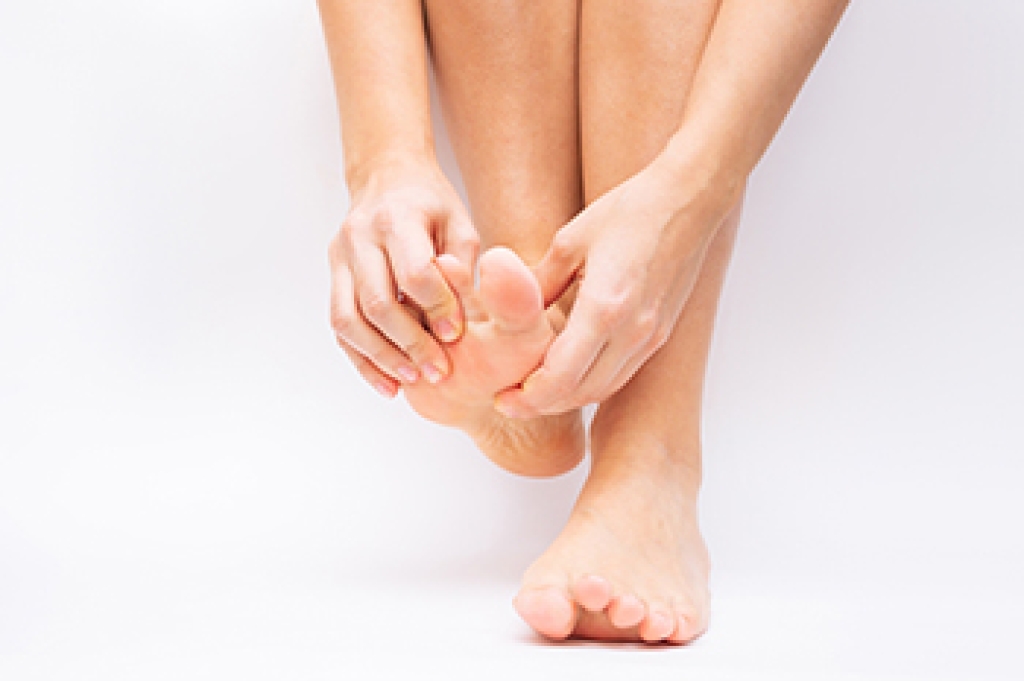
Discomfort in the smaller toes often develops because of underlying structural imbalance in the front portion of the foot. The bones in this region are small, yet they carry significant body weight during walking and standing. When alignment shifts, pressure becomes uneven across the metatarsal heads and toe joints. This imbalance can lead to joint inflammation, nerve irritation, and soft tissue strain. Wearing tight-fitting shoes, long-term biomechanical instability, and high-arched or flat-foot structure may increase stress on these delicate joints. Tendon dysfunction can also alter toe position, creating abnormal bending and increased friction against footwear. Over time, callus formation, joint stiffness, and persistent soreness may occur. A detailed examination, including weight-bearing assessment and gait evaluation, helps identify the exact pain source. Early, structure-focused treatment may prevent worsening deformity and chronic discomfort. If you are experiencing ongoing pain in the smaller toes, it is suggested that you see a podiatrist for a proper diagnosis and appropriate treatment.

Toe pain can disrupt your daily activities. If you have any concerns, contact one of our podiatrists of Central Ohio Comprehensive Foot Care. Our doctors can provide the care you need to keep you pain-free and on your feet.

What Causes Toe Pain?

Most severe toe pain is caused due to a sports injury, trauma from dropping something heavy on the toe, or bumping into something rigid. Other problems can develop over time for various reasons.

Toe pain can be caused by one or more ailments. The most common include:

  • Trauma
  • Sports injury
  • Wearing shoes that are too tight
  • Arthritis
  • Gout
  • Corns and calluses
  • Hammertoe
  • Bunions
  • Blisters
  • Ingrown toenails
  • Sprains
  • Fractures (broken bones)
  • Dislocations

When to See a Podiatrist

  • Severe pain
  • Persistent pain that lasts more than a week
  • Signs of infection
  • Continued swelling
  • Pain that prevents walking

Diagnosis

In many cases the cause of toe pain is obvious, but in others, a podiatrist may want to use more advanced methods to determine the problem. These can range from simple visual inspections and sensation tests to X-rays and MRI scans. Prior medical history, family medical history, and any recent physical traumatic events will all be taken into consideration for a proper diagnosis.

Treatment

Treatments for toe pain and injuries vary and may include shoe inserts, padding, taping, medicines, injections, and in some cases, surgery. If you believe that you have broken a toe, please see a podiatrist as soon as possible.

If you have any questions please contact one of our offices located in Delaware and Westerville, OH . We offer the newest diagnostic and treatment technologies for all your foot and ankle needs.

Read more about Toe Pain

Gout in Teenagers

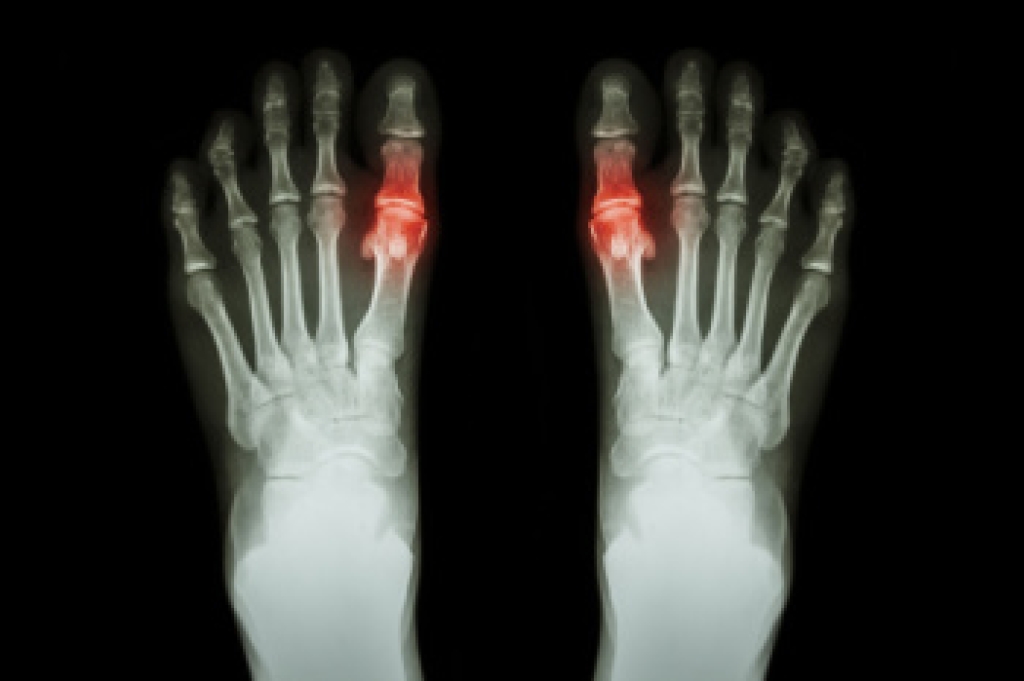
Gout is a crystalline inflammatory arthritis caused by the buildup of uric acid crystals within the joints. Although it is more common in adults, the prevalence of gout among teenagers is increasing due to obesity, poor diet, and certain medical conditions. It often affects the big toe, causing sudden joint pain, redness, swelling, and warmth. Repeated flare-ups may lead to joint deformities and, in severe cases, may contribute to kidney dysfunction and other systemic concerns. Risk factors include family history, metabolic disorders, and high consumption of sugary beverages or processed foods. A podiatrist can diagnose gout, manage painful symptoms, and coordinate comprehensive care. If your teenager has symptoms of gout, it is suggested that you consult a podiatrist who can provide an accurate diagnosis and relief options.

Gout is a painful condition that can be treated. If you are seeking treatment, contact one of our podiatrists from Central Ohio Comprehensive Foot Care. Our doctors will treat your foot and ankle needs.

What Is Gout?

Gout is a form of arthritis that is characterized by sudden, severe attacks of pain, redness, and tenderness in the joints. The condition usually affects the joint at the base of the big toe. A gout attack can occur at any random time, such as the middle of the night while you are asleep.

Symptoms

  • Intense Joint Pain - Usually around the large joint of your big toe, and it most severe within the first four to twelve hours
  • Lingering Discomfort - Joint discomfort may last from a few days to a few weeks
  • Inflammation and Redness -Affected joints may become swollen, tender, warm and red
  • Limited Range of Motion - May experience a decrease in joint mobility

Risk Factors

  • Genetics - If family members have gout, you’re more likely to have it
  • Medications - Diuretic medications can raise uric acid levels
  • Gender/Age - Gout is more common in men until the age of 60. It is believed that estrogen protects women until that point
  • Diet - Eating red meat and shellfish increases your risk
  • Alcohol - Having more than two alcoholic drinks per day increases your risk
  • Obesity - Obese people are at a higher risk for gout

Prior to visiting your podiatrist to receive treatment for gout, there are a few things you should do beforehand. If you have gout you should write down your symptoms--including when they started and how often you experience them, important medical information you may have, and any questions you may have. Writing down these three things will help your podiatrist in assessing your specific situation so that he or she may provide the best route of treatment for you.

If you have any questions, please feel free to contact one of our offices located in Delaware and Westerville, OH . We offer the newest diagnostic and treatment technologies for all your foot care needs.
Read more about Gout

How Shoes Help Protect Diabetic Feet

People living with type 2 diabetes face a higher risk for skin breakdown on the feet because circulation, sensation, and pressure tolerance can be changed. Footwear plays a quiet but powerful role in prevention. Shoes that fit well reduce friction, limit pressure points, and protect vulnerable skin from repeated trauma. A deep toe box, soft interior linings, and firm heel support help distribute weight more evenly during walking. Cushioning absorbs shock, while stable soles improve balance and reduce shear forces. Breathable materials help manage moisture, lowering the chance of irritation or infection. Worn out shoes or poorly fitting styles can create rubbing that leads to blisters, calluses, and open areas or wounds that heal slowly. Choosing shoes with professional guidance and replacing them regularly supports daily foot protection. If redness, sores, pressure areas, or wounds appear on your feet, it is suggested that you see a podiatrist who can provide the necessary treatment.

Wound care is an important part in dealing with diabetes. If you have diabetes and a foot wound or would like more information about wound care for diabetics, consult with one of our podiatrists from Central Ohio Comprehensive Foot Care. Our doctors will assess your condition and provide you with quality foot and ankle treatment.

What Is Wound Care?

Wound care is the practice of taking proper care of a wound. This can range from the smallest to the largest of wounds. While everyone can benefit from proper wound care, it is much more important for diabetics. Diabetics often suffer from poor blood circulation which causes wounds to heal much slower than they would in a non-diabetic. 

What Is the Importance of Wound Care?

While it may not seem apparent with small ulcers on the foot, for diabetics, any size ulcer can become infected. Diabetics often also suffer from neuropathy, or nerve loss. This means they might not even feel when they have an ulcer on their foot. If the wound becomes severely infected, amputation may be necessary. Therefore, it is of the upmost importance to properly care for any and all foot wounds.

How to Care for Wounds

The best way to care for foot wounds is to prevent them. For diabetics, this means daily inspections of the feet for any signs of abnormalities or ulcers. It is also recommended to see a podiatrist several times a year for a foot inspection. If you do have an ulcer, run the wound under water to clear dirt from the wound; then apply antibiotic ointment to the wound and cover with a bandage. Bandages should be changed daily and keeping pressure off the wound is smart. It is advised to see a podiatrist, who can keep an eye on it.

If you have any questions please contact one of our offices located in Delaware and Westerville, OH . We offer the newest diagnostic and treatment technologies for all your foot and ankle needs.

Read more about Wound Care
Connect with us

our recent articles