review us on google
x ico
like us on facebook
review us on google
x ico
like us on facebook

Blog

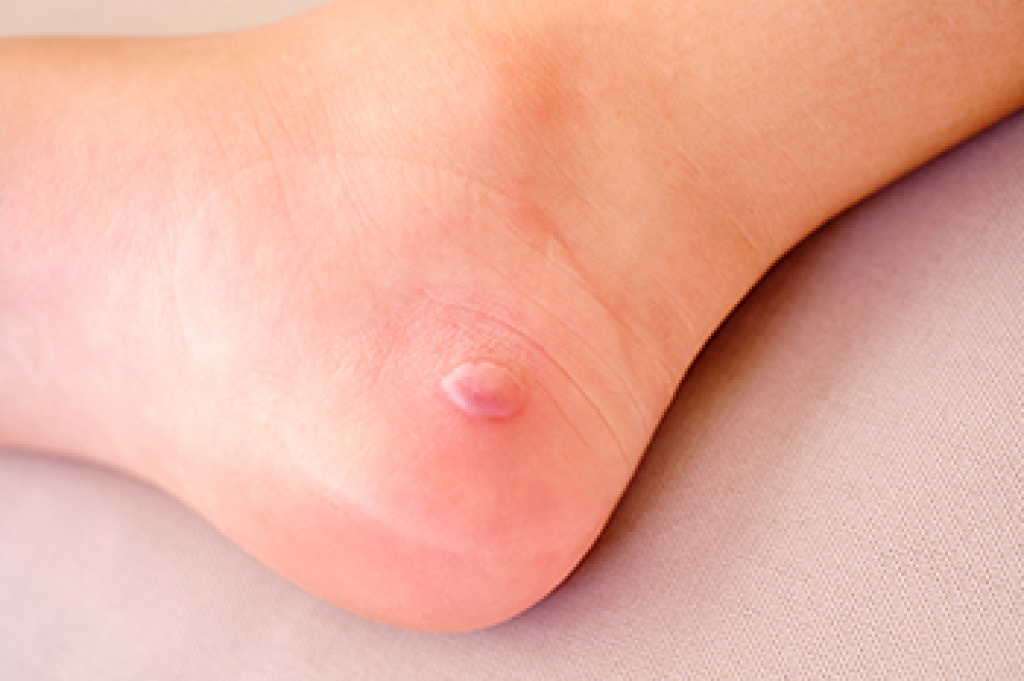
Diabetic Blisters on the Feet

Bullosis diabeticorum, also known as diabetic bullae or bullous eruption of diabetes mellitus, is a rare skin condition linked to diabetes. It causes sudden, painless fluid-filled blisters on the feet, toes, or lower legs. The term bullae means large blisters, and eruption refers to a sudden appearance on the skin. Symptoms include clear, tense blisters that may look like burns but occur without injury. They usually are not red or itchy but can break and risk infection. This condition most often affects adults with long-standing or poorly controlled blood sugar levels. Nerve damage and poor circulation are thought to contribute. Treatment may involve wound care, sterile dressings, and monitoring, along with blood sugar control to reduce recurrence. Early attention helps avoid complications and speeds recovery. If you are diabetic and have blisters on your feet or ankles, it is strongly suggested that you see a podiatrist for a proper diagnosis appropriate and treatment.

Blisters may appear as a single bubble or in a cluster. They can cause a lot of pain and may be filled with pus, blood, or watery serum. If your feet are hurting, contact one of our podiatrists of Central Ohio Comprehensive Foot Care. Our doctors can provide the care you need to keep you pain-free and on your feet.

Foot Blisters

Foot blisters are often the result of friction. This happens due to the constant rubbing from shoes, which can lead to pain.

What Are Foot Blisters?

A foot blister is a small fluid-filled pocket that forms on the upper-most layer of the skin. Blisters are filled with clear fluid and can lead to blood drainage or pus if the area becomes infected.

Symptoms

(Blister symptoms may vary depending on what is causing them)

  • Bubble of skin filled with fluid
  • Redness
  • Moderate to severe pain
  • Itching

Prevention & Treatment

In order to prevent blisters, you should be sure to wear comfortable shoes with socks that cushion your feet and absorb sweat. Breaking a blister open may increase your chances of developing an infection. However, if your blister breaks, you should wash the area with soap and water immediately and then apply a bandage to the affected area. If your blisters cause severe pain it is important that you call your podiatrist right away.

If you have any questions, please feel free to contact one of our offices located in Delaware and Westerville, OH . We offer the newest diagnostic and treatment technologies for all your foot care needs.
Read more about Blisters

Diabetic and Non-Diabetic Foot Ulcers Explained

Foot ulcers are open sores that commonly affect the feet and can occur in both diabetic and non-diabetic individuals. Diabetic foot ulcers are primarily caused by peripheral neuropathy and poor circulation, which reduce sensation and slow healing. Minor injuries may go unnoticed and develop into serious wounds. In contrast, non-diabetic foot ulcers are often linked to pressure, trauma, vascular disease, or skin conditions. While they may heal more predictably, underlying issues still require attention. Both types need proper wound care, including cleaning, protection, and sometimes medical treatment. Early diagnosis is essential to prevent infection or complications. Maintaining good foot hygiene, wearing supportive footwear, and monitoring skin changes can significantly reduce risk and promote healing outcomes. Patients should seek professional care from a podiatrist if wounds do not improve quickly or show signs of redness, swelling, pain, or discharge. Early intervention improves overall recovery.

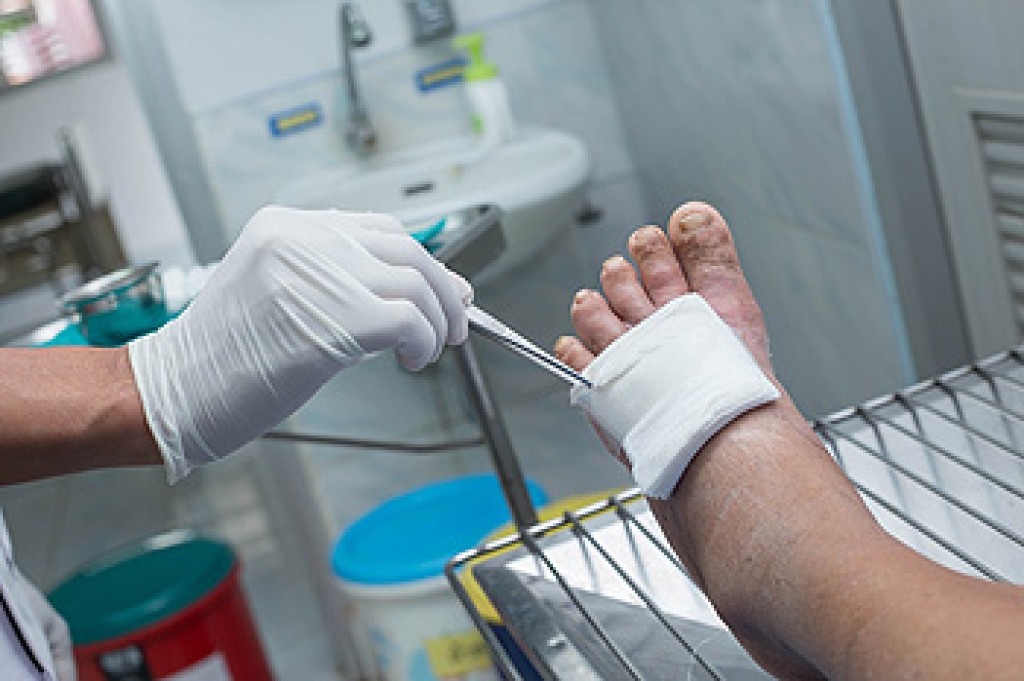
Wound care is an important part in dealing with diabetes. If you have diabetes and a foot wound or would like more information about wound care for diabetics, consult with one of our podiatrists from Central Ohio Comprehensive Foot Care. Our doctors will assess your condition and provide you with quality foot and ankle treatment.

What Is Wound Care?

Wound care is the practice of taking proper care of a wound. This can range from the smallest to the largest of wounds. While everyone can benefit from proper wound care, it is much more important for diabetics. Diabetics often suffer from poor blood circulation which causes wounds to heal much slower than they would in a non-diabetic. 

What Is the Importance of Wound Care?

While it may not seem apparent with small ulcers on the foot, for diabetics, any size ulcer can become infected. Diabetics often also suffer from neuropathy, or nerve loss. This means they might not even feel when they have an ulcer on their foot. If the wound becomes severely infected, amputation may be necessary. Therefore, it is of the upmost importance to properly care for any and all foot wounds.

How to Care for Wounds

The best way to care for foot wounds is to prevent them. For diabetics, this means daily inspections of the feet for any signs of abnormalities or ulcers. It is also recommended to see a podiatrist several times a year for a foot inspection. If you do have an ulcer, run the wound under water to clear dirt from the wound; then apply antibiotic ointment to the wound and cover with a bandage. Bandages should be changed daily and keeping pressure off the wound is smart. It is advised to see a podiatrist, who can keep an eye on it.

If you have any questions please contact one of our offices located in Delaware and Westerville, OH . We offer the newest diagnostic and treatment technologies for all your foot and ankle needs.

Read more about Wound Care

Risk Factors for Plantar Fibroma

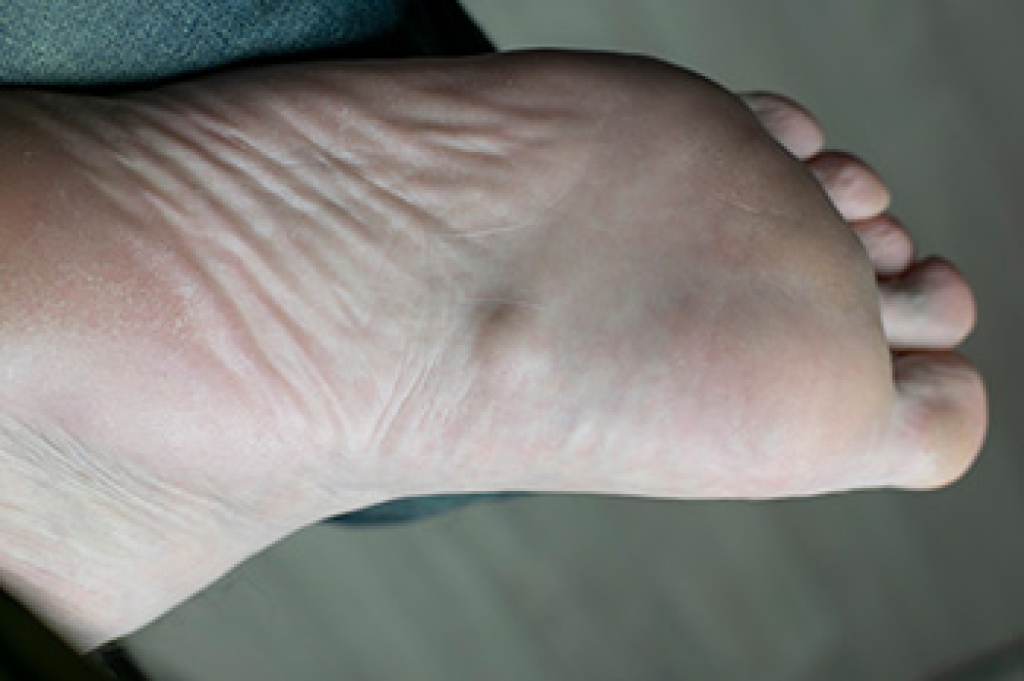
A plantar fibroma is a benign growth that develops within the plantar fascia, the thick band of tissue along the bottom of the foot. It often appears as a firm lump in the arch, and may gradually increase in size. Symptoms include discomfort, pressure when walking, and pain while wearing shoes. The exact cause is not always clear, but factors like trauma, genetic predisposition, and certain medical conditions may contribute. There is also a noted association with fibrous conditions elsewhere in the body, including uterine fibroids, which may be considered a risk factor. A podiatrist can diagnose a plantar fibroma and provide treatment options to relieve pain and improve mobility. A plantar fibroma may be uncomfortable, and may cause difficulty in completing daily activities. If you have developed this condition, it is suggested that you consult a podiatrist who can offer effective relief and treatment solutions.

A plantar fibroma may disrupt your daily activities. If you have any concerns, contact one of our podiatrists of Central Ohio Comprehensive Foot Care. Our doctors can provide the care you need to keep you pain-free and on your feet.

Plantar Fibroma

A plantar fibroma is a fibrous knot in the arch of the foot. It is embedded in the plantar fascia which is a band of tissue that extends from the heel to the toes along the bottom of the foot. There can be multiple plantar fibromas in the feet at the same time. There are no known causes for this condition. If you have a plantar fibroma, there will be a bump in the arch of your foot that cannot be missed. Any associated pain is most often due to a shoe rubbing against the nodule. Non-surgical options, such as steroid injections, physical therapy, and orthotics should be tried first. Surgery is a last resort and is the only thing that will remove a plantar fibroma entirely. Consult with a podiatrist for a proper diagnosis and to determine the treatment regimen that is right for you.

What Causes a Plantar Fibroma?

While there are no specific causes identified, a plantar fibroma can possibly come from genetic predisposition or the formation of scar tissue that forms from healing the tears in the plantar fascia.

What Are the Symptoms of a Plantar Fibroma?

There will be a noticeable lump in the arch of the foot that may or may not cause pain. If pain is felt, it is typically because a shoe is rubbing up against the lump or when walking or standing barefoot.

Treatment and Prevention

A plantar fibroma will not disappear without treatment, but it can get smaller and be a non-issue. If pain persists, a podiatrist examines the foot and when the arch of the foot is pressed, pain can be felt down to the toes. An MRI or biopsy might be performed to help diagnose or evaluate the plantar fibroma. The following non-surgical options are generally enough to reduce the size and pain of these nodules:

  • Steroid injections
  • Orthotics
  • Physical therapy to help apply anti-inflammatory creams on the bump 

Surgery is considered if the mass increases in size and the patient continues to feel pain after non-surgical methods are tried.

If you have any questions, please feel free to contact one of our offices located in Delaware and Westerville, OH . We offer the newest diagnostic and treatment technologies for all your foot care needs.
Read more about Plantar Fibroma

How Acute Ankle Sprains Are Treated

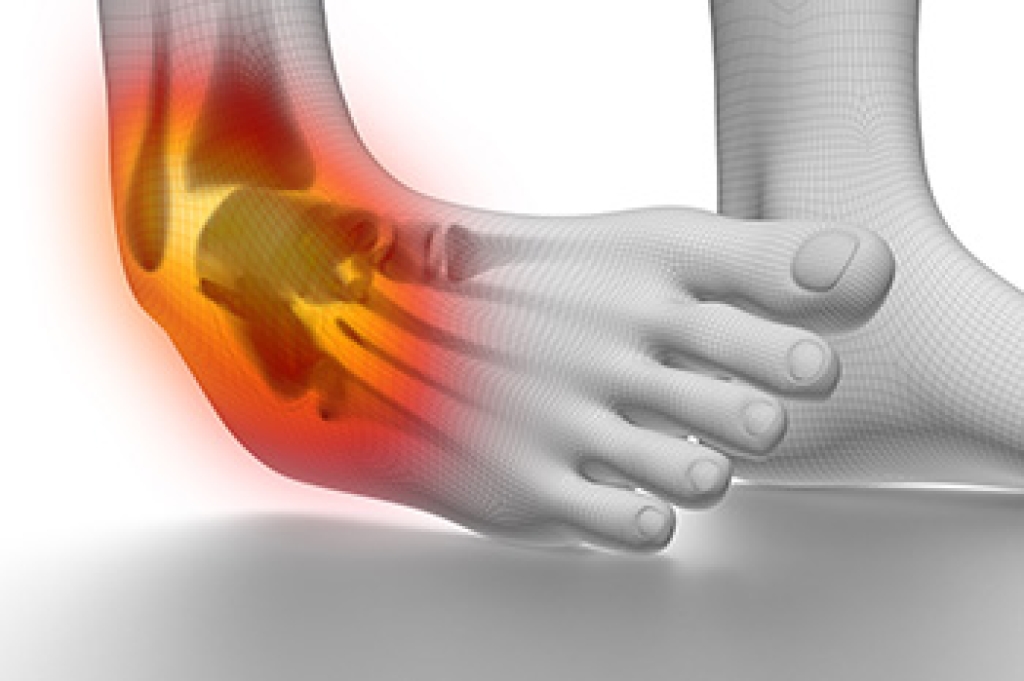
An ankle sprain can happen suddenly with a twist, misstep, or fall. It often causes pain, swelling, and difficulty putting weight on the foot. Early care focuses on protecting the joint and reducing swelling. Resting the ankle, using light compression, and elevating the foot can help control discomfort in the first few days. Support may be needed to allow healing. This can include a brace, wrap, or short period of limited weight-bearing. As pain improves, gentle movement and strengthening exercises are introduced to restore stability and prevent future sprains. In more severe cases, imaging may be used to check for additional damage, and a longer period of support may be required. Recovery takes time and proper care is important. If pain, swelling, or instability continues after an ankle sprain, it is suggested that you see a podiatrist for a thorough evaluation and appropriate treatment.

Although ankle sprains are common, they aren’t always minor injuries. If you need your ankle injury looked at, contact one of our podiatrists from Central Ohio Comprehensive Foot Care. Our doctors can provide the care you need to keep you pain-free and on your feet.

How Does an Ankle Sprain Occur?

Ankle sprains are the result of a tear in the ligaments within the ankle. These injuries may happen when you make a rapid shifting movement while your foot is planted. A less common way to sprain your ankle is when your ankle rolls inward while your foot turns outward.

What Are the Symptoms?

  • Pain at the sight of the tear
  • Bruising/Swelling
  • Ankle area is tender to touch
  • In severe cases, may hear/feel something tear
  • Skin discoloration

Preventing a Sprain

  • Wearing appropriate shoes for the occasion
  • Stretching before exercises and sports
  • Knowing your limits

Treatment of a Sprain

In many cases, the RICE method (Rest, Ice, Compression, and Elevate) is used to treat ankle sprains. However, you should see a podiatrist to see which treatment option would work best with your injury. In severe cases, surgery may be required.

It is important to ask your doctor about rehab options after you receive treatment for your injury. Stretching, strength training, and balance exercises may help the ankle heal while also preventing further injury.

If you have any questions, please feel free to contact one of our offices located in Delaware and Westerville, OH . We offer the newest diagnostic and treatment technologies for all your foot care needs.

Read more about Ankle Sprains

Heel Pain Can Be Treated!

Do you suffer from heel pain when you get up in the morning? If so, you should seek professional help and have a proper diagnosis performed. Heel pain can be caused by several different foot-related conditions.

Connect with us

our recent articles